
How to brew filter coffee in your Moccamaster (and other machines)
How to brew filter coffee in a Moccamaster or other machine: the right ratio, grind size, water, a rinsed filter and keeping the pot warm without bitterness. Plus which beans to use.
 By Tiago
Published
7 min read

A good filter machine, like a Moccamaster, can make an excellent cup. Whether you end up with a dull, bitter pot or a clear, sweet one comes down to a few simple things: how much coffee you use, how fine you grind it, the water you pour in and what happens after brewing. Here is how I brew filter coffee with a machine, step by step, and which beans work well for it.
Start with the ratio: 60 grams per litre
The most common reason filter coffee tastes weak or harsh is the amount of coffee. A reliable starting point is 60 grams of coffee per litre of water. It is strong enough to taste sweetness and body, without becoming heavy.
- 1 Moccamaster cup (125 ml): about 7.5 g of coffee
- 0.5 litre of water: 30 g of coffee
- 1 litre of water: 60 g of coffee
- 1.25 litres (a full Moccamaster): 75 g of coffee
Use a kitchen scale rather than a scoop. A scoop holds a different weight depending on the bean, the roast and the grind, so weighing is the only way to get the same result every day. Once you have a cup you like, you can adjust a few grams up or down to suit your taste. Change one thing at a time, so you know what made the difference.
Grind fresh, and grind medium
Why fresh grinding matters
Ground coffee loses its aroma quickly. Much of what makes a coffee smell and taste lively is gone within days of grinding, and you notice it in the cup. Grinding just before you brew is one of the easiest improvements you can make. A burr grinder gives more even particles than a blade grinder, which means a more even extraction and a cleaner taste.
Finding the right grind size
For a filter machine, aim for a medium grind, roughly like coarse sand. Then let the taste and the brew time guide you:
If the coffee tastes bitter and dry, or water backs up in the basket, the grind is probably too fine. If it tastes thin, watery or sour, it is probably too coarse. On most machines a full pot runs through in about five to six minutes. If yours is much faster or slower, the grind is the first thing to look at.
Water makes up most of your cup
Filter coffee is almost entirely water, so the water matters. Always start with fresh, cold water, not water that has been sitting in the reservoir since yesterday. Very hard water can mute the flavour and leaves scale in your machine. If your water is hard, a simple filter jug already helps.
A good filter machine is built to brew at the right temperature, roughly 92 to 96 °C, and scale gets in the way of that. A machine that brews too cool gives sour, underdeveloped coffee, however good the beans are. More on descaling further down.
Rinse the paper filter first
Before you add the coffee, put the paper filter in the basket and pour hot water through it. This removes the papery taste and warms up the basket and the carafe. Pour the rinse water away.
Then add your freshly ground coffee and shake the basket gently so the bed is level. An even bed means the water flows through all the coffee in the same way. On a Moccamaster, some people give the grounds a gentle stir once the basket has filled with water, so no dry pockets are left. Try it and see if you taste the difference.
Brew the right batch size for your machine
A filter machine is designed for a certain amount of water. If you brew only two cups in a machine made for ten, the coffee bed is thin and the water runs through too quickly, which often gives a weak, sour cup. Brew at least half of the machine's capacity, or use the half pot setting if your machine has one. On a Moccamaster this depends on the model: on the KBG Select it is a switch on the machine itself, on other models you set it with the drip stop on the brew basket. Your manual tells you which one you have.
Keeping filter coffee warm without it turning bitter
This is where a lot of good coffee is lost. A hotplate keeps heating the coffee, and after twenty to thirty minutes it starts to taste dull and bitter. A few things help:
Use a thermal carafe, or pour the coffee into a preheated thermos straight after brewing. Switch off the hotplate once the brew is done, if your machine allows it. Brew a smaller pot more often, rather than one big pot that stands all morning. And never reheat filter coffee: it brings out bitterness and does not bring the aroma back.
One more tip: stir or gently swirl the carafe before you pour. The first coffee that drips through is stronger than the last, and stirring gives every cup the same balance.
Keep your machine clean
Coffee oils build up in the brew basket and the carafe, and over time they give your coffee a stale, bitter edge. Rinse the basket and carafe after each use and wash them regularly with warm water and a little mild washing-up liquid. Rinse well, so no soap taste is left behind.
Descale the machine with a descaler made for coffee machines, following the instructions in your manual, and then run clean water through it a couple of times. How often depends on how hard your water is and how much coffee you brew; your manual gives the advice for your model. A sign that it is time: brewing takes noticeably longer than it used to.
Café coado: how I grew up with filtered coffee
I grew up in Rio Grande do Sul, in the south of Brazil. At home it was my mother who made the coffee, every morning at breakfast before we went to school. She brewed it the way many Brazilian families do: café coado, through a coador de pano, a cloth filter hanging in a holder. The sugar went into the cup first, and the coffee was poured on top. What has stayed with me most is the smell of fresh coffee in the house in the morning.
A filter machine does essentially the same thing as that cloth filter: hot water runs slowly through ground coffee and a filter. You do not have to add sugar, of course. With good beans, the sweetness is already in the cup.
Which beans to use for filter coffee
Well-made Brazilian coffee suits a filter machine. It tends to bring body, sweetness and notes of chocolate and nuts, which give a round, easy cup that stays pleasant as it cools.
For a daily pot, our Paulista Blend and Mistura Fina Seasonal Blend are good places to start. If you go through a lot of coffee, at home or in the office, both are also available as 4 x 1 kg bundles in our 1 kg value packs.
Brewing in the evening, or for someone who avoids caffeine? With our Swiss Water Decaf, start with the same ratio and grind, and adjust to taste. And for a weekend pot with a bit more to discover, try the Maragogipe Southern Boundaries or the Fazenda Sertão 100 Years Reserva. You will find more among our filter coffee beans.
Mind the roast date
Every bag has a roast date on it. Coffee needs to rest for at least a week after roasting to come into its own, and it is at its best up to about six weeks after roasting. We ship orders within 1 to 2 working days, and by then the coffee was roasted 2 to 12 days earlier. So if your bag is very fresh, give it a few more days before you open it. Store the beans in an airtight container, somewhere cool and dark, and not in the fridge.
Frequently asked questions
How much coffee do I use per cup?
A Moccamaster cup is 125 ml. At 60 grams per litre, that is about 7.5 grams of coffee per cup, or 75 grams for a full pot of 1.25 litres.
Which filter size fits a Moccamaster?
Most Moccamaster models use paper filters size 4 (also sold as 1x4).
How often should I descale my Moccamaster?
That depends on your water and how often you brew. Follow the advice in your manual, and descale sooner if brewing becomes noticeably slower.
Putting it together
Weigh 60 grams per litre, grind medium and just before brewing, use fresh water, rinse the filter, brew a proper batch, keep the coffee off the hotplate and keep your machine clean. None of these steps takes more than a minute, and together they make a clear difference in the cup. For more recipes, including other filter methods and espresso, take a look at our brewing guide.
Want to try it with freshly roasted Brazilian coffee? Have a look at our filter coffee beans. Every bag shows its roast date, so you know exactly how fresh your coffee is.
Coffees from this article

 BestsellerRoast: Medium

 BestsellerRoast: Medium-dark

 BestsellerRoast: Medium-dark

 Roast: Medium-light


Keep reading
All articles →- Brewing
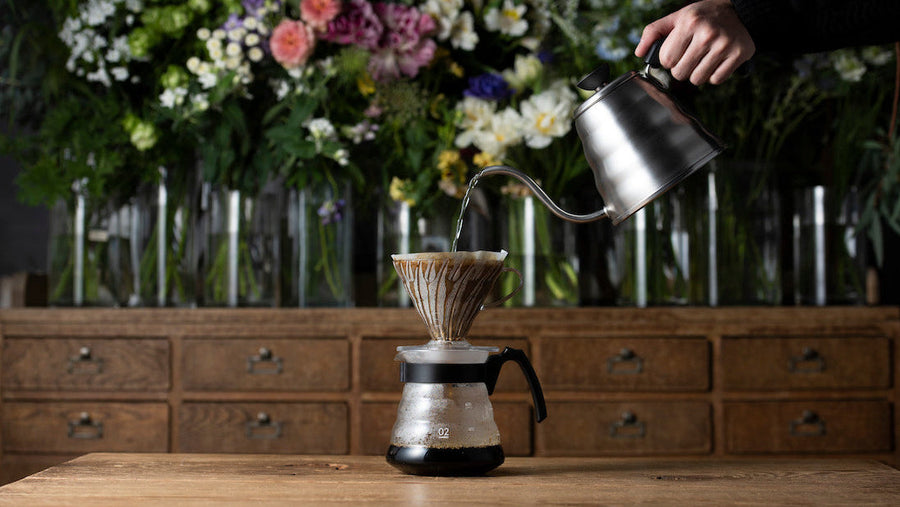
How to brew Hario V60 coffee: our Brazuca recipe and the best beans
Our own Hario V60 recipe: 18 grams of coffee, 235 ml of water at 86 °C, in three pours and ready in about 2 minutes. A little unusual, and it works with...
- Brewing
Swiss Water Decaf: how it is made and how to brew it
Our Swiss Water Decaf is one of our best-selling coffees. How the Swiss Water Process removes caffeine without chemicals, how it tastes, and how to brew it at home.
- Coffee knowledge
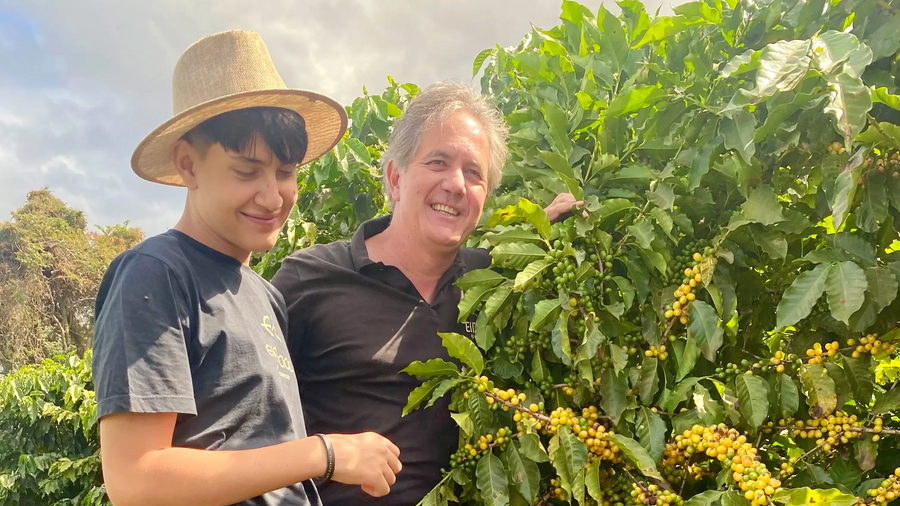
What does Brazilian coffee taste like? Where the difference lies
What can you expect from Brazilian coffee beans? We explain the flavours, how region and processing shape them, and why Brazuca buys directly from farmers.
