
How to make espresso at home: our recipe and tips
Our roaster's espresso recipe for home: dose, yield, brew time and temperature, how to dial in a new bag, and how to correct a sour or bitter shot.
 By Tiago
Published
5 min read

Great espresso at home depends less on an expensive machine than on control: a fixed recipe, fresh beans and changing one variable at a time. Below is the recipe we use for our espresso roasts, how to dial in a new bag, and how to read and correct a shot that does not taste the way it should.
Do torrador
“Weigh your dose and your yield, and only change the grind. Most problems with espresso at home come from changing three things at once.”
Tiago, head roaster at Brazuca in Amsterdam
What you need
- An espresso machine with a portafilter.
- A grinder that grinds fine and adjusts in small steps. For espresso, the grinder matters at least as much as the machine.
- A scale that weighs to 0.1 gram and fits under your cup.
- A tamper that fits your filter basket.
- Fresh whole beans and good water. Espresso is almost all water. Filtered water tastes cleaner and protects your machine from scale, especially where the tap water is hard.
Our espresso recipe
- Dose: 20 grams of ground coffee in a double basket
- Yield: 40 to 50 grams of espresso in the cup (a brew ratio of 1:2 to 1:2.5)
- Extraction time: 28 to 33 seconds
- Brew temperature: 89 to 91 °C
Weigh both the dose and the yield. A small scale under the cup is enough. Weighing is the quickest way to make every shot consistent. You will also find these numbers, next to our filter recipe, on our page with espresso and filter recipes.
Step by step
- Let your machine warm up properly, including the portafilter. Warm your cup with hot water too.
- Run a little water through the group head to rinse it and stabilise the temperature.
- Grind just before brewing, fine enough for espresso.
- Spread the coffee evenly in the filter basket, break up any clumps and tamp it flat. Level matters more than force.
- Lock in the portafilter and start the shot and the timer at the same time.
- Stop when the scale shows your target yield: 40 to 50 grams of espresso for 20 grams of coffee.
Dialling in a new bag
Every new coffee, and often every new bag, needs a small adjustment. Keep the dose and the yield the same, and only change the grind. A typical first round looks like this:
- First shot: 20 grams dose, 40 grams yield in 21 seconds. It tastes sour and thin. It ran too fast, so grind two steps finer.
- Second shot: 40 grams in 26 seconds. Better, but still a little sharp. One step finer.
- Third shot: 40 grams in 30 seconds. Sweet and round. Write down the grinder setting.
A quick check while you dial in: when the grind is right, the first drops of espresso appear about 4 to 6 seconds after you press the brew button. If coffee starts running almost straight away, the grind is probably too coarse. If it takes much longer, it is probably too fine.
Most bags take two or three shots. As the beans age over the following weeks, you may need to go a step finer again.
Sour, bitter or just right?
Taste tells you what to change. Change only one thing at a time.
- Sour, thin, runs fast: grind finer.
- Bitter, harsh, runs slow: grind coarser.
- Good, but too strong: let a little more espresso run into the cup.
- Good, but flat: let a little less run into the cup.
Common mistakes
- Beans that are too fresh or too old. Straight after roasting, coffee releases a lot of gas and the shot turns out uneven. After about six weeks, the flavour starts to fade.
- Uneven coffee in the basket. Water takes the easiest way through. This is called channelling: part of the puck over-extracts and part under-extracts, and the shot tastes sour and bitter at once.
- Changing several things at once. Then you never know what made the difference.
- A cold cup or portafilter. The espresso loses heat straight away and tastes flatter.
- Skipping the cleaning. Old coffee oil in the portafilter and group head makes every shot more bitter. Rinse after use and backflush regularly if your machine allows it.
Which coffee should you use for espresso?
Our espresso roasts are medium to dark and made to taste round and sweet, also with milk. The Paulista Blend is our everyday espresso, with almond, chocolate and red berries. The Mistura Fina is a seasonal blend with chocolate, roasted chestnut and red apple. For a cup in the evening, there is our Swiss Water Decaf. You will find them all in our espresso beans, and the Explore Espresso Box lets you try four side by side.
No grinder at home? You can order your coffee ground for an espresso machine. For the freshest taste we recommend whole beans and grinding just before brewing.
Check the roast date
Fresh does not mean straight from the roaster. Coffee is at its best between one and six weeks after the roast date. In the first week it is still releasing gas and needs to rest. You will find that date on every bag. When we ship your order, the coffee was roasted 2 to 12 days earlier.
Espresso with milk
A cappuccino, flat white or latte starts with the same shot. Choose a coffee with body and chocolate, because those flavours come through the milk. Heat the milk to drinking temperature, not boiling, so it stays sweet.
Do you use a bean-to-cup machine instead? Read how to get the most out of specialty coffee in a bean-to-cup machine.
Frequently asked questions
Single or double shot?
Our recipe is for a double shot with 20 grams of coffee. A single basket holds so little coffee that small differences in grind and tamping show up straight away. Most people get more consistent results with a double basket.
Can I use a filter roast for espresso?
Yes, but raise the brew temperature to around 96 °C if your home machine allows it. Lighter filter roasts are harder to extract, and at normal espresso temperatures they often taste sharp and sour. Grind a little finer as well, and let a little more run into the cup, around 1:2.5.
Why does the same coffee taste different from day to day?
Beans keep changing after roasting, and humidity affects how they grind. A small grind adjustment is usually enough to bring the taste back.
Quick checklist
- 20 grams dose, 40 to 50 grams yield, 28 to 33 seconds.
- Weigh, and change one thing at a time.
- First drops after 4 to 6 seconds.
- Sour means finer, bitter means coarser.
- Beans between one and six weeks after the roast date, ground just before brewing.
Looking for your espresso coffee? Browse all our Brazilian coffee beans, roasted every week in Amsterdam.
Coffees from this article

 BestsellerRoast: Medium-dark

 BestsellerRoast: Medium

 BestsellerRoast: Medium-dark


Keep reading
All articles →- Brewing
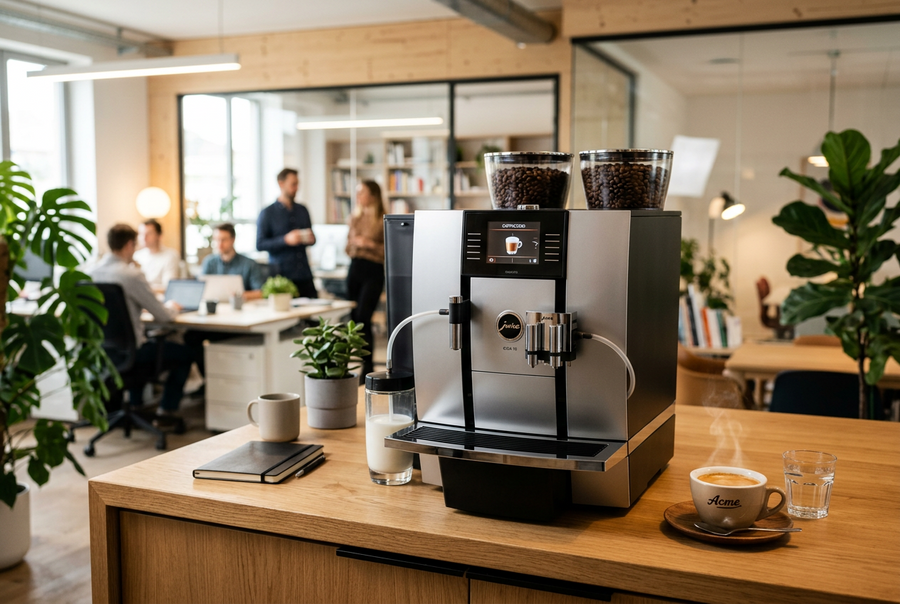
Specialty coffee in a bean-to-cup machine: how to get a better cup
Yes, specialty coffee works in a bean-to-cup machine. We explain which beans suit it best and which grind and strength settings make the biggest difference in the cup.
- Brewing
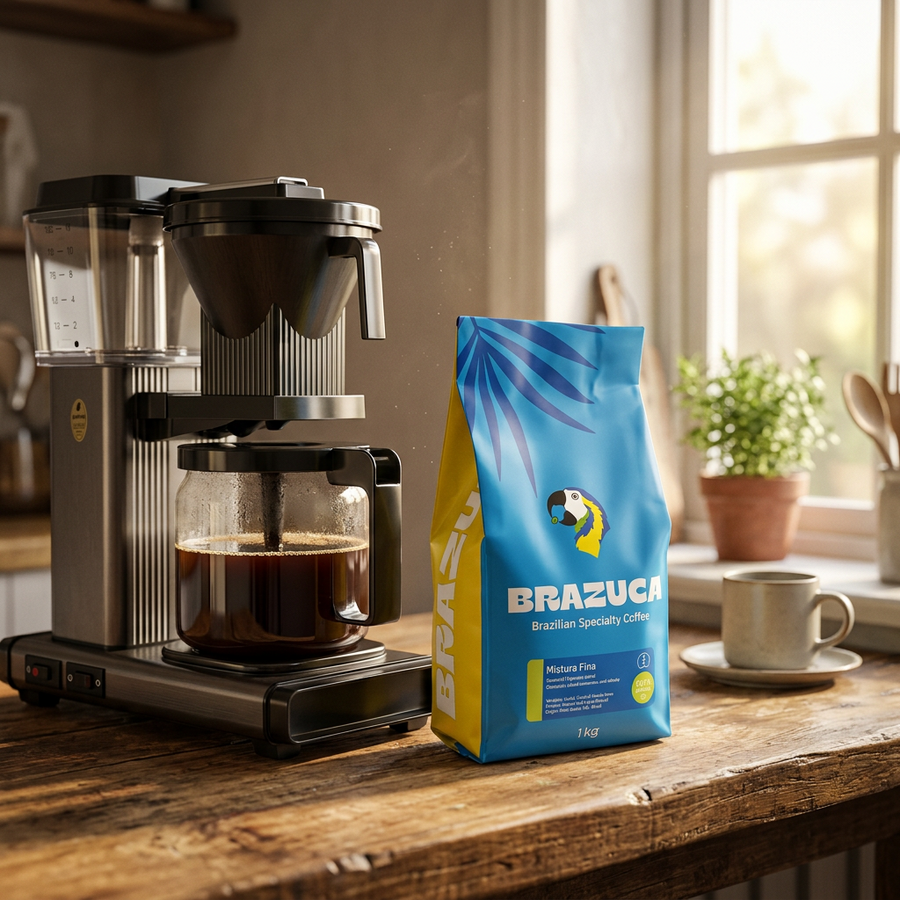
How to brew filter coffee in your Moccamaster (and other machines)
How to brew filter coffee in a Moccamaster or other machine: the right ratio, grind size, water, a rinsed filter and keeping the pot warm without bitterness. Plus which beans to use.
- Brewing
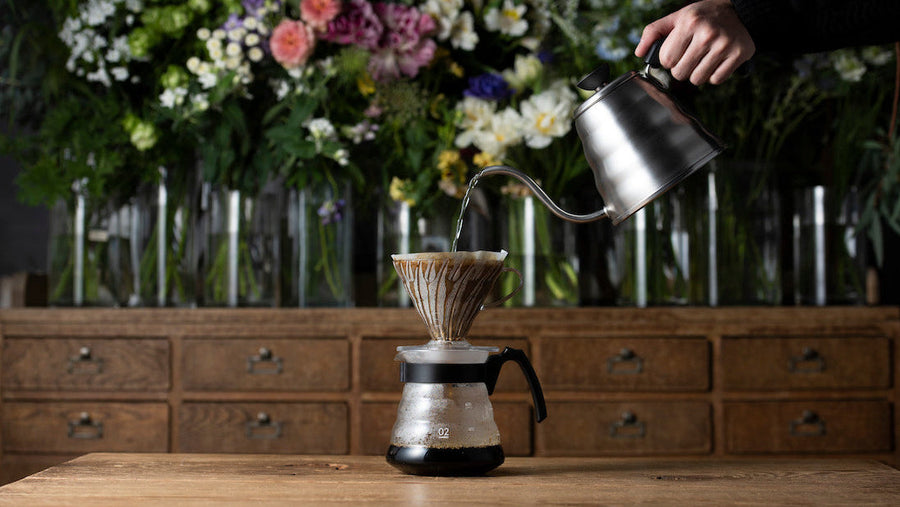
How to brew Hario V60 coffee: our Brazuca recipe and the best beans
Our own Hario V60 recipe: 18 grams of coffee, 235 ml of water at 86 °C, in three pours and ready in about 2 minutes. A little unusual, and it works with...
