
Specialty coffee in a bean-to-cup machine: how to get a better cup
Yes, specialty coffee works in a bean-to-cup machine. We explain which beans suit it best and which grind and strength settings make the biggest difference in the cup.
 By Tiago
Published
7 min read

Resumo · the short answer
Yes, specialty coffee can taste great from a bean-to-cup machine, as long as you choose the right beans and spend ten minutes on the settings.
Pick a medium to medium-dark espresso roast, change the grind one step at a time, use a higher strength with a smaller cup, and keep both the machine and the beans fresh.
Ficha técnica Bean-to-cup
| Beans | Medium to medium-dark espresso roast |
|---|---|
| Avoid | Very dark, oily beans and very light filter roasts |
| Grind | Start in the middle, one step at a time |
| Strength | High, with a smaller cup |
| Big mug | Americano: a short coffee plus hot water |
| Best after roasting | About 1 to 6 weeks |
A bean-to-cup machine grinds and brews at the touch of a button. That is exactly why so many people love it, at home and at the office. Many of our customers order whole beans for a machine like this, and the question we hear most is simple: does specialty coffee still make sense in it? It does. Below we explain what a bean-to-cup machine does well, where it falls short, which beans suit it and which settings make the biggest difference in the cup.
01 · Sim, mas
Can you taste specialty coffee in a bean-to-cup machine?
The honest answer is yes, with a few conditions. Specialty coffee starts with better beans: carefully picked, well processed and freshly roasted. That quality is still in the bean when it goes into your machine. What changes is how much control you have over the brewing.
What it does well
Fresh, consistent, easy
It grinds fresh for every cup, it makes the same coffee every time, and anyone in the house or office can use it.
Where it falls short
Less control
You have fewer grind settings, a fixed range of doses and no say over the brewing time. Subtle, very light coffees often lose out.
So a bean-to-cup machine rewards coffees with body, sweetness and a soft acidity. Those flavours come through well, black or with milk. Delicate, very fruity filter coffees show more of themselves in a hand brew or a filter machine.
02 · Os grãos
Which beans work best in a bean-to-cup machine
A bean-to-cup machine brews short and strong, a lot like espresso. Coffees roasted for espresso are the natural fit: they have more body and taste round and sweet, also with milk.
Medium to medium-dark
Body, sweetness, chocolate
→ The best match for most machines.
Very dark and oily
Shiny beans, bitter cup
→ Can leave residue in the grinder and block it.
Very light filter roast
Bright and fruity
→ Often tastes sour in these machines.
Brazilian coffee makes a good base. It usually has a full body, a natural sweetness and a soft acidity, with notes of chocolate, nuts and caramel. That makes it easy to like and forgiving on different machines.
Which of our coffees for which drink
| Your drink | Our suggestion | Why |
|---|---|---|
| Espresso | Paulista Blend or Mistura Fina | Full and sweet, with chocolate |
| Cappuccino, latte, flat white | Paulista Blend | Almond and chocolate hold up well in milk |
| Americano or a big mug | Mistura Fina | Chocolate, roasted chestnut and red apple |
| Evening, or without caffeine | Swiss Water Decaf | Nuts, chocolate, toffee and fudge |
| Not sure yet | Explore Espresso Box | Four espresso coffees to taste side by side |

Paulista Blend
Origin Cerrado Mineiro and Alta Mogiana
In the cup Almond, chocolate, red berries

Mistura Fina Seasonal Blend
Origin Matas de Minas
In the cup Chocolate, roasted chestnut, red apple

Swiss Water Decaf
Roast Medium-dark
In the cup Nuts, chocolate, toffee, fudge
03 · Moagem
Grind setting: one step at a time
The grind size decides how much flavour the water takes from the coffee. Finer means more contact and a stronger, fuller cup. Coarser means a lighter cup, and too coarse tastes thin and sour.
-
Start in the middle
Set the grinder to the middle of its scale, unless the manual of your machine advises otherwise.
-
Make a few cups
The first cup after a change can still contain coffee ground at the old setting. Make two or three cups before you judge.
-
Taste and adjust
Thin or sour? Go one step finer. Bitter or harsh? Go one step coarser. Change one thing at a time, so you know what made the difference.
-
Turn the dial while grinding
On many machines you should only change the grind setting while the grinder is running. Check your manual before you turn the dial.
04 · Força e volume
Strength and cup size
The strength setting usually changes how much coffee the machine grinds per cup. For a richer cup, choose a higher strength and a smaller volume. A very long coffee from one dose of beans tastes watery, because the water keeps running through coffee that has already given its flavour.
For a large cup, an americano works better: a short, strong coffee topped up with hot water. You keep the taste and still get a full mug. Many machines have a button for it; otherwise, make a short coffee and add hot water yourself.
05 · Ajuste
Adjusting to taste
Use the taste as your guide. These are the most common problems and what to change first:
If it tastes
Sour or thin
→ Grind one step finer, or choose a higher strength
If it tastes
Bitter or harsh
→ Grind one step coarser, or try a lower temperature
If it tastes
Watery
→ Smaller cup or higher strength; for a big mug, make an americano
If it tastes
Flat or dull
→ Check the roast date and clean the brew unit
06 · Água e temperatura
Water and temperature
Your coffee is almost all water, so the water matters. Filtered water often tastes cleaner and also helps against limescale. Descale the machine as often as the manufacturer advises, especially if you live in an area with hard water.
If your machine has a temperature setting, start high. If the coffee tastes bitter even after adjusting the grind, try one step lower.
07 · Com leite
Milk drinks
Most bean-to-cup machines also make cappuccino and latte. Coffee with body and chocolate notes stands up to milk best, which is why a fuller, chocolatey coffee such as Paulista Blend works so well here. Use cold, fresh milk, and clean the milk system after every use: milk residue spoils the taste quickly.
08 · Limpeza
Keep the machine clean
Old coffee oils and grounds give a dull, bitter taste. These habits help:
- Empty the drip tray and the grounds container every day.
- Rinse the brew unit once a week if your machine has a removable one.
- Clean the milk system after every use if you make milk drinks.
- Run the cleaning and descaling programmes as your manual advises.
- Switching between regular coffee and decaf? Clean the grinder, so no caffeine from the previous beans ends up in your evening cup.
09 · Frescor
Keep your beans fresh
Coffee needs to rest for about a week after roasting to come into its own, and it is at its best up to around six weeks after roasting. So look for a roast date on the bag. We roast every week in Amsterdam: the coffee we send was roasted 2 to 12 days earlier, and orders leave within 1 to 2 working days.
Fill the bean container with enough for a few days, and keep the rest closed in its bag or an airtight container, somewhere dark and cool, but not in the fridge.
Do you drink a lot of coffee at home? Then a 4 x 1 kg pack of Paulista Blend is the best value. Not sure what you like yet? Start with our Explore Espresso Box and taste four espresso coffees side by side.
10 · No escritório
A bean-to-cup machine at the office
In many offices the bean-to-cup machine is the heart of the coffee corner. The same rules apply, with one extra: agree who empties the trays and cleans the machine. Read how to choose coffee beans for your business, or see how our coffee for cafés and offices works, with free samples to taste on your own machine first.
11 · Perguntas
Frequently asked questions
Can I use filter coffee beans in a bean-to-cup machine?
You can, but very light filter roasts often taste sour in these machines. For most people an espresso roast gives a better cup.
Why does my coffee from the machine taste sour?
Usually the grind is too coarse, or the cup is too long for one dose of coffee. Grind one step finer, choose a higher strength or make a smaller cup.
Can I use decaf in a bean-to-cup machine?
Yes. Our Swiss Water Decaf is roasted medium-dark, which works well in a bean-to-cup machine. Read more about how Swiss Water Decaf is made and how to brew it.
Are oily beans bad for my machine?
Very dark, oily beans can leave residue in the grinder of some machines and even block it. Medium to medium-dark roasts give you the flavour without that problem.
Próximo gole · next sip
Take our coffee quiz: four questions and you know where to start. Or browse all our Brazilian coffee beans, roasted every week in Amsterdam.
Coffees from this article

 BestsellerRoast: Medium-dark

 BestsellerRoast: Medium

 BestsellerRoast: Medium-dark

 Roast: Medium-dark


Keep reading
All articles →- Brewing
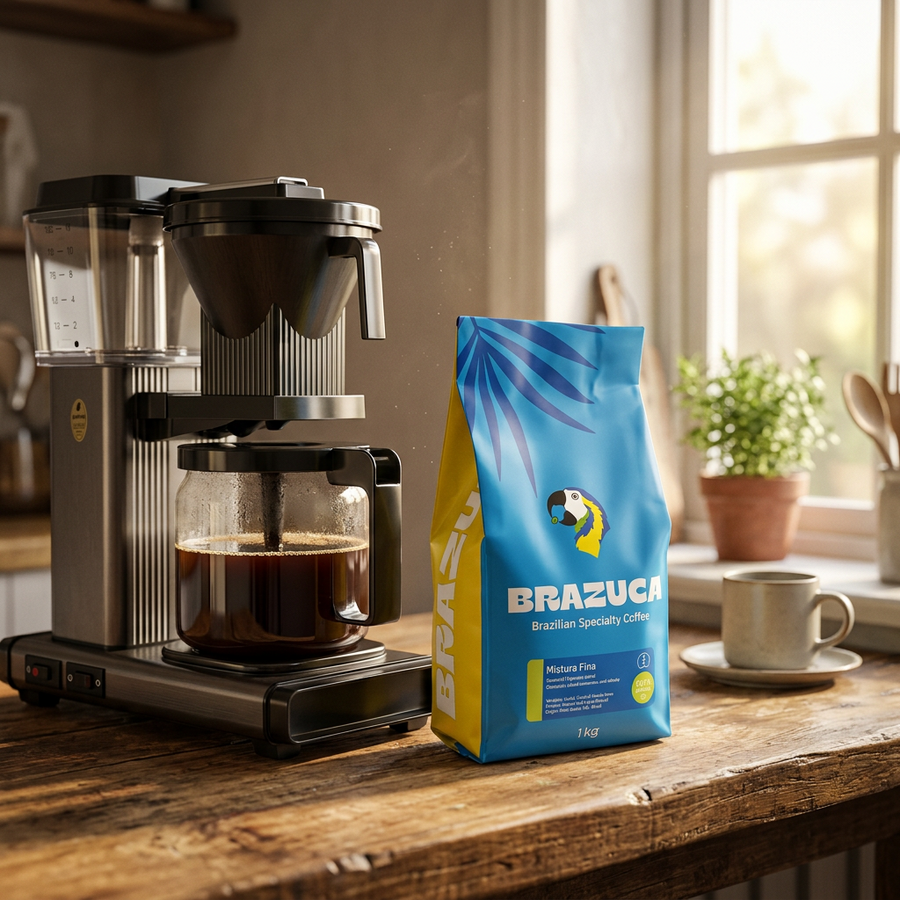
How to brew filter coffee in your Moccamaster (and other machines)
How to brew filter coffee in a Moccamaster or other machine: the right ratio, grind size, water, a rinsed filter and keeping the pot warm without bitterness. Plus which beans to use.
- Brewing
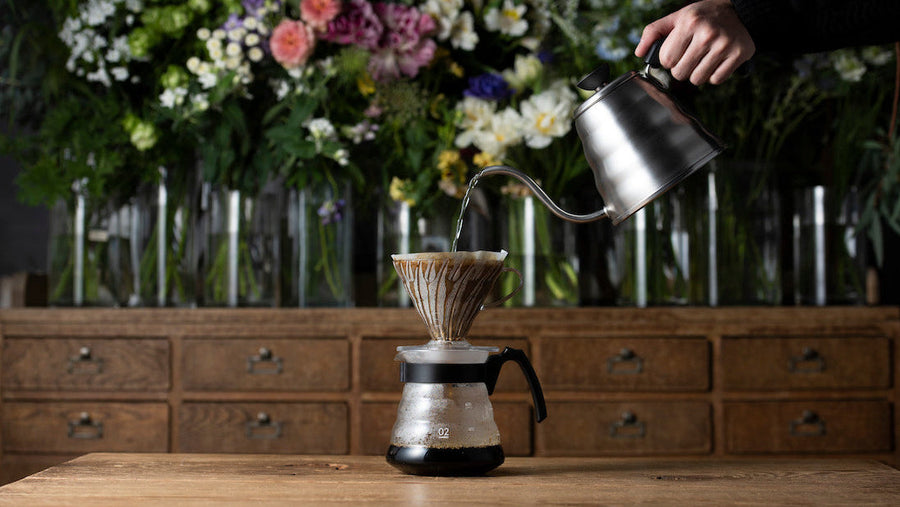
How to brew Hario V60 coffee: our Brazuca recipe and the best beans
Our own Hario V60 recipe: 18 grams of coffee, 235 ml of water at 86 °C, in three pours and ready in about 2 minutes. A little unusual, and it works with...
- Brewing
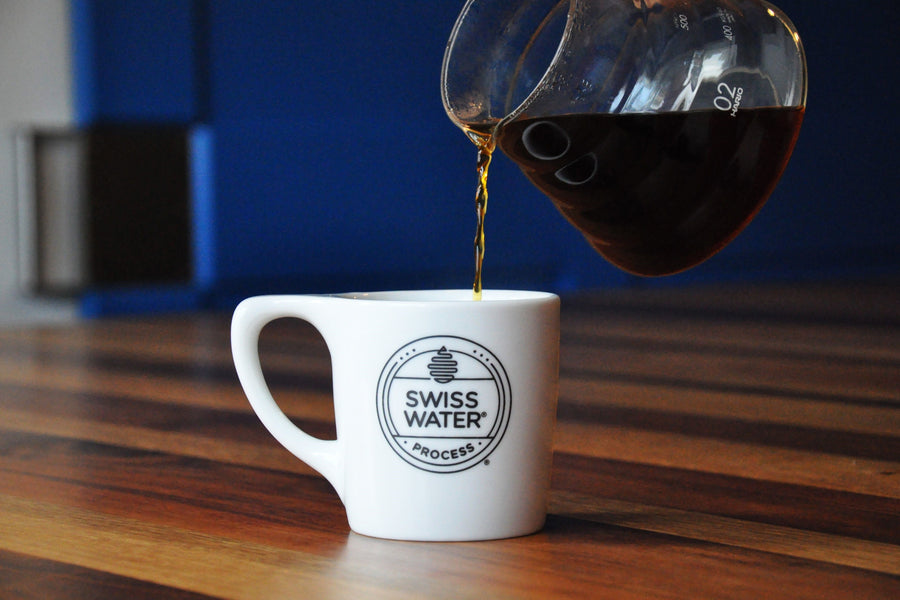
Swiss Water Decaf: how it is made and how to brew it
Our Swiss Water Decaf is one of our best-selling coffees. How the Swiss Water Process removes caffeine without chemicals, how it tastes, and how to brew it at home.
