
What is specialty coffee? How to recognise it and what you taste
Specialty coffee is coffee that scores 80 points or more out of 100. What that means, how it differs from regular coffee, what you taste, and how to recognise it on the bag.
 By Tiago
Published
Last updated
4 min read

Resumo · the short answer
Specialty coffee scores 80 points or more out of 100 when a certified taster, a Q Grader, cups it with the method of the Specialty Coffee Association (SCA). The green beans also have to be almost free of defects.
In practice: a clear origin, careful picking and processing, and flavours you can actually taste.
Ficha técnica Specialty coffee
| Minimum score | 80 out of 100 |
|---|---|
| Judged by | Q Grader, SCA method |
| Green beans | Almost free of defects |
| On the bag | Roast date, origin, variety, process |
| Taste | Sweet, clear, distinct notes |
| Species | Almost always Arabica |
In practice, specialty means coffee with a clear origin, carefully picked and processed, with flavours you can actually taste: sweetness, fruit, chocolate, flowers. Below we explain what the score means, how specialty differs from regular coffee, and how you recognise it when you buy beans.
01 · Pontuação
What does the 80-point score mean?
Tasters judge a coffee on things like aroma, flavour, aftertaste, acidity, body, balance and sweetness, and they check the green beans for defects. Everything adds up to a score out of 100.
Not specialty
< 80
The coffee you usually find in supermarkets and vending machines.
Specialty, very good
80–84.99
Specialty, excellent
85–89.99
Specialty, outstanding and rare
90+
Do torrador
“The score says something about quality, not about taste preference. An 84-point coffee full of chocolate can suit you better than an 88-point coffee full of fruit.”
Tiago, who roasts our coffee every week in Amsterdam
02 · Da fazenda à xícara
What makes coffee specialty?
A high score is the result of care at every step, from the farm to your cup:
-
Variety and place
The right coffee variety on the right soil, at the right altitude.
-
Picking
Only ripe cherries are picked, often by hand or in several rounds.
-
Processing
The cherries are processed and dried carefully, as natural, pulped natural or washed coffee.
-
Sorting
Defective beans are removed before the coffee is exported.
-
Roasting
The roaster looks for the roast that brings out the best in each coffee, and sells it fresh.
-
Traceability
You know where the coffee comes from, often down to the farm.
03 · Diferença
Specialty coffee or regular coffee: the differences
| Specialty coffee | Regular coffee | |
|---|---|---|
| Quality | 80+ points, almost no defects | Below 80 points, defects allowed |
| Origin | Country, region and often the farm | Often only a country, or a blend of unknown origin |
| Harvest | Ripe cherries, picked selectively | Ripe and unripe cherries together |
| Roast | Matched to each coffee | Often dark, to hide defects |
| Freshness | Roast date on the bag | Usually only a best-before date |
| Taste | Sweet, clear, with distinct flavour notes | Mostly bitter and roasted |
04 · Sabor
What does specialty coffee taste like?
The biggest difference is sweetness and clarity. Good specialty coffee is pleasant to drink black, without sugar, and you can pick out flavours: chocolate, nuts and caramel, but also red fruit, citrus or flowers. The acidity is fresh rather than sour, and the aftertaste is clean.
Brazilian specialty coffee often has a base of chocolate, nuts and caramel, with a soft acidity and a full body. Some lots go further, towards ripe fruit or even rum and tropical fruit, depending on the region and the processing. Read more about Brazil’s specialty coffee regions.
05 · Preço
Why does specialty coffee cost more?
Picking only ripe cherries, processing them carefully and sorting out defects takes more time and more hands. Good farmers are paid more for that quality. And the coffee is roasted in smaller batches and sold fresh. Per cup, the difference is usually smaller than people expect, especially compared with capsules.
06 · Na embalagem
How do you recognise specialty coffee?
- There is a roast date on the bag, not only a best-before date.
- The bag tells you the origin: country, region and often the farm.
- You can read the variety and the processing, such as Red Bourbon, natural.
- There are flavour notes on the bag, such as chocolate, red apple or apricot.
- It is sold as whole beans by preference, so you can grind it fresh.
07 · Variedades
Brazilian varieties to get to know
Bourbon
Named after the island of Bourbon, now Réunion. Known for its sweetness and balanced body. Our Fazenda Sertão 100 Years Reserva is a natural Red Bourbon from trees over 100 years old, with red fruit and a spicy finish.
Maragogipe
A natural mutation of Typica, discovered near the town of Maragogipe in Bahia around 1870. The beans are unusually large. Our Maragogipe Southern Boundaries is light roasted, with red fruit jam, jabuticaba and tamarind.
Catuaí
A cross between Mundo Novo and Caturra, developed by the Instituto Agronômico (IAC) in Campinas, Brazil. It comes in red and yellow. Our Funky Jumper Banger is a semi-anaerobic Red Catuaí with plum, raisin and orange; Sítio Matuto is a Yellow Catuaí with caramel and apricot.
Mundo Novo
A natural cross between Bourbon and Typica (Sumatra) found in Brazil. Productive and sweet, often used in blends such as our Mistura Fina.
Want to try several at once? Our coffee tasting boxes let you taste them side by side.
08 · Perguntas
Frequently asked questions
Is specialty coffee always light roasted?
No. Many specialty coffees for filter are roasted lighter to keep the fruit, but specialty espresso is often roasted medium. What matters is that the roast suits the coffee.
Is specialty coffee always Arabica?
Almost always. The SCA scoring system was made for Arabica. There is a separate system for high-quality Robusta, called fine Robusta.
Can I use specialty coffee in a bean-to-cup machine?
Yes. Choose a medium roast with a lot of body and sweetness, such as a Brazilian espresso blend, and avoid very light filter roasts.
Source for the varieties: World Coffee Research.
Próximo gole · next sip
Discover our Brazilian coffee beans, all specialty, bought directly from the farmers and roasted every week in Amsterdam.
Coffees from this article

 Roast: Medium

 Roast: Medium-light


Keep reading
All articles →- Brewing
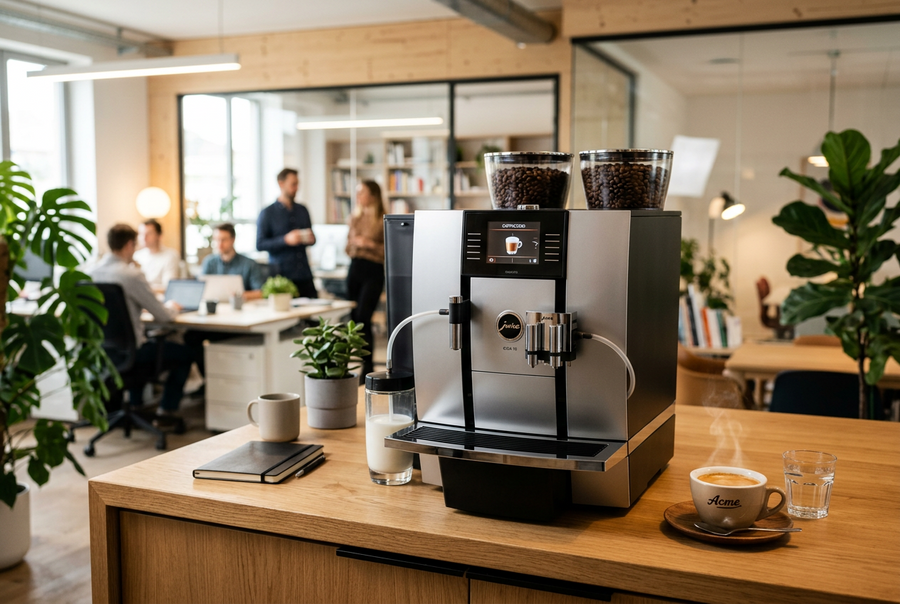
Specialty coffee in a bean-to-cup machine: how to get a better cup
Yes, specialty coffee works in a bean-to-cup machine. We explain which beans suit it best and which grind and strength settings make the biggest difference in the cup.
- Brewing
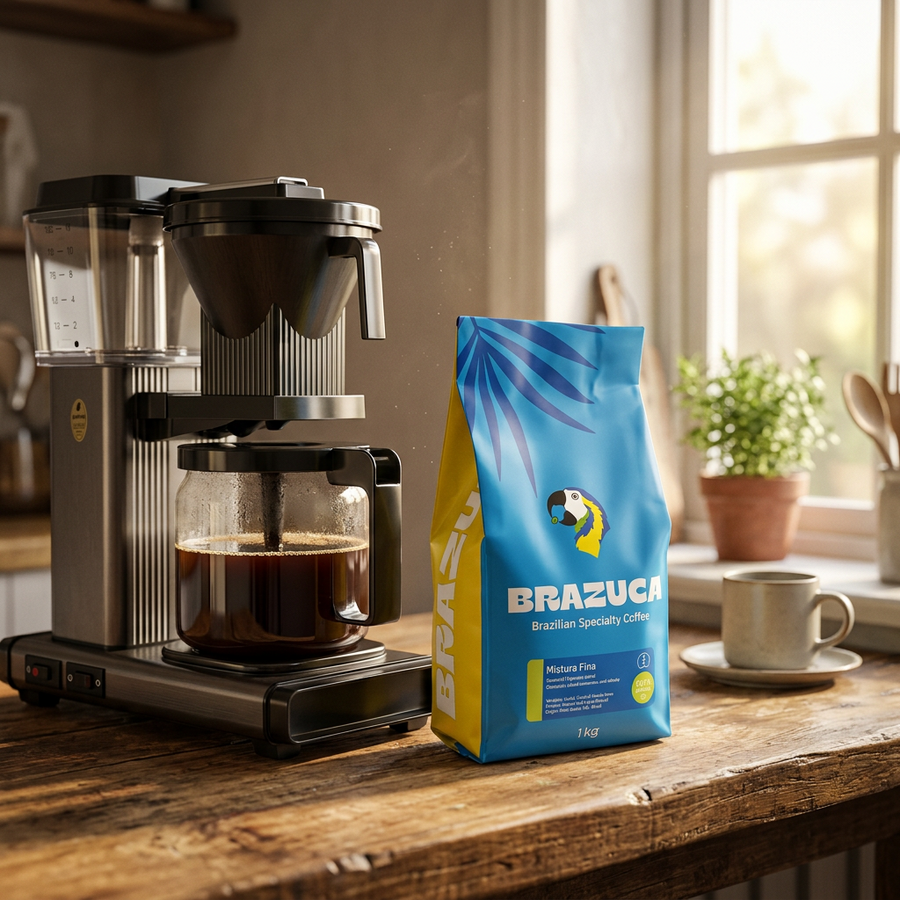
How to brew filter coffee in your Moccamaster (and other machines)
How to brew filter coffee in a Moccamaster or other machine: the right ratio, grind size, water, a rinsed filter and keeping the pot warm without bitterness. Plus which beans to use.
- Brewing
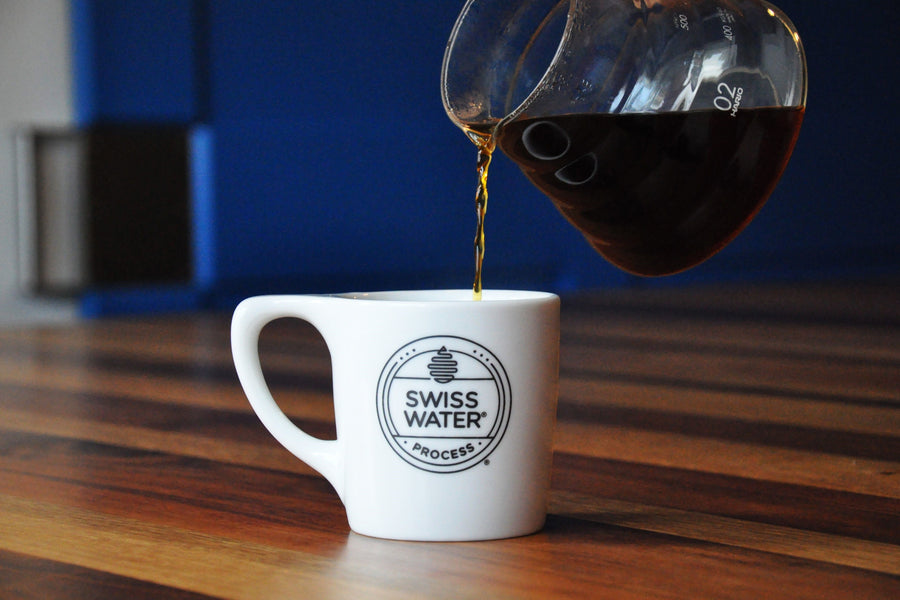
Swiss Water Decaf: how it is made and how to brew it
Our Swiss Water Decaf is one of our best-selling coffees. How the Swiss Water Process removes caffeine without chemicals, how it tastes, and how to brew it at home.
